
Abrasive sanding mesh — wholesale from the manufacturer
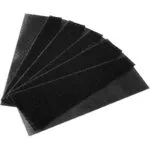
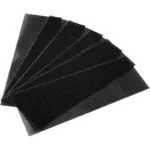
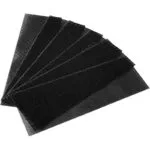
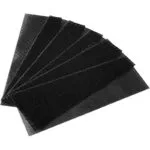
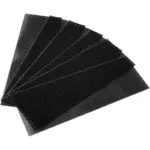
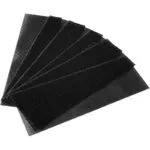
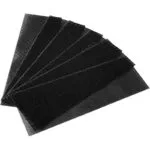
Abrasive sanding mesh for filler, plaster and paint, with an open structure that clears dust effectively and keeps clogging to a minimum. Distributors buy direct from a certified Ukrainian manufacturer (EN 12413, MPA Hannover) with EUR.1 for preferential EU import and fast shipping from our warehouse in Poland.
- 7items

Wholesale prices, incl. VAT, for orders from 5,000 UAH — as of .
| Photo | SKU | Size, mm | Series or brand | Grit | Price, UAH | Add to quote |
|---|---|---|---|---|---|---|
| NASM11528060 | 115×280 | NovoAbrasiveProfi | P60 | 39.78UAH | ||
| NASM11528080 | 115×280 | NovoAbrasiveProfi | P80 | 39.78UAH | ||
| NASM115280100 | 115×280 | NovoAbrasiveProfi | P100 | 39.78UAH | ||
| NASM115280120 | 115×280 | NovoAbrasiveProfi | P120 | 39.78UAH | ||
| NASM115280180 | 115×280 | NovoAbrasiveProfi | P180 | 39.78UAH | ||
| NASM115280240 | 115×280 | NovoAbrasiveProfi | P240 | 39.78UAH | ||
| NASM115280320 | 115×280 | NovoAbrasiveProfi | P320 | 39.78UAH |
Remove one of the filters or write to us — we will suggest the nearest size.
Remove filter
Reset all
Ø
bore
mm
What is NovoAbrasive sanding mesh?
NovoAbrasive sanding mesh is an abrasive material on an open mesh backing that lets dust escape efficiently while you sand. It is ideal for finishing drywall, filler and paint.
The open mesh structure keeps the abrasive from clogging, which extends its service life and gives an even finish. Grits P80–P320. Hook-and-loop (Velcro) fastening.
FAQ
Frequently asked questions
Answers to the most common questions about sanding meshes
How is sanding mesh different from regular sandpaper?
The sanding mesh has an open mesh structure that allows dust to pass freely through the material. This prevents clogging of the abrasive and significantly increases its service life compared to conventional sandpaper. The mesh is also double-sided - both surfaces are working.
What grit should I choose for sanding putty?
For rough leveling of putty use P80–P100. For final sanding before painting — P180–P240. For a perfectly smooth surface for glossy paint — P320.
Can I use a mesh with a sander?
Yes, the 115x280 mm sanding mesh is designed for use with hand-held orbital sanders with the appropriate sanding pad size. It can also be used with a hand-held sander for sanding walls and ceilings.
Why is the mesh less clogged?
Thanks to the mesh structure, dust and waste material pass freely through the holes in the mesh instead of accumulating on the work surface. This is especially effective when working with dusty materials: putty, gypsum and plaster.
Is the mesh suitable for sanding wood?
Yes, sanding mesh is well suited for interlayer sanding of varnish and paint on wooden surfaces. For rough wood processing, we recommend P60–P80, and for finishing — P120–P180.
How many sheets of mesh are needed to renovate a room?
For a standard room of 15–20 m², 5–10 sheets are usually required when sanding putty. Due to its anti-clogging properties, one sheet of mesh lasts 2–3 times longer than regular sandpaper of the same grit.
How to properly store sanding mesh?
Store the sanding mesh in a dry place, in its original packaging. Avoid contact with moisture and direct sunlight. If stored properly, the mesh will retain its abrasive properties for a long time.
What does the P marking on the sanding mesh mean?
The letter "P" followed by a number indicates the grit size of the abrasive according to the FEPA standard. The higher the number, the finer the grit and the smoother the surface you will get. P60 is the coarsest (for material removal), P320 is the finest (for finishing).
Useful materials
Useful guides
Articles and instructions for the correct selection and use of sanding mesh
Safety rules
Need a batch?
Add SKUs to your request — a manager will quote the whole batch at once, delivery included.